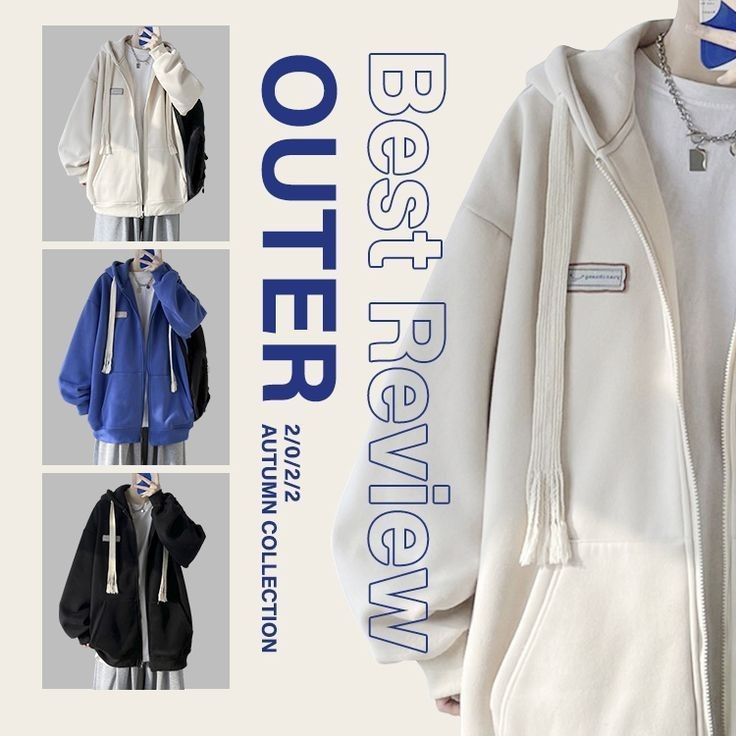
1. Isvora
We have all been there: staring at a closet overflowing with clothes, yet feeling like we have absolutely nothing to wear. In the era of fast fashion, our wardrobes have become crowded with temporary trends—pieces that look stunning on screen but lose their shape, shrink, or fade after just two cycles in the laundry.
At Isvora, we believe it’s time to slow down. True style isn’t about constant accumulation; it’s about investing in foundational pieces engineered to last.
Here is why shifting your focus to high-quality essentials will completely transform your everyday style:
1. The Power of Architectural Fit
Cheaply manufactured clothes quickly sag, bag out at the elbows, and lose their collars. Isvora focuses on structural tailoring. Using precision heavyweight cotton and luxury linens, our garments are designed to frame and hold the body beautifully all day long.
2. Zero-Warp Longevity
There is nothing worse than a t-shirt that warps into an unwearable shape after one wash. Our fabrics undergo premium pre-shrinking and advanced color-locking treatments. When you buy an Isvora piece, the fit you buy is the fit you keep for years, not weeks.
3. Effortless Versatility
When your clothing features a flawless silhouette and clean design, getting dressed becomes effortless. Our minimalist aesthetic allows you to mix and match seamlessly, taking you from a casual daytime workspace to a premium evening setting without a second thought.
The Isvora Promise: We don’t build disposable garments. We engineer premium wardrobe anchors. It is time to step away from the fast-fashion loop and experience clothing where aesthetic truly meets substance.
2. Nike: The Athleisure Powerhouse
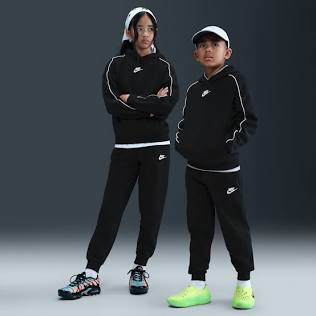
Why Nike Dominates Global Apparel
When it comes to blending high-performance sportswear with everyday street fashion, no brand moves the needle quite like Nike. Originally founded as a running shoe company, it has evolved into a global lifestyle giant that dictates what the world wears to the gym, the office, and everywhere in between.
The brand’s unrivaled success in the apparel market comes down to three core strategic pillars:
Performance Engineering: Nike consistently invests in fabric innovation, such as Dri-FIT moisture-wicking technology, Tech Fleece for lightweight warmth, and sustainable Therma-FIT materials designed to regulate body temperature.
The Sneaker Culture Synergy: Nike’s clothing lines are intentionally designed to complement their massive footwear drops. A single pair of Air Jordans or Air Max sneakers creates an immediate ecosystem demand for matching hoodies, joggers, and lifestyle tees.
Cultural & Athlete Endorsements: By partnering with generational icons like Michael Jordan, LeBron James, and Serena Williams, Nike does not just sell sportswear—it sells a mindset of personal excellence wrapped in premium, recognizable street style.
3. Uniqlo: The Master of Minimalist Function
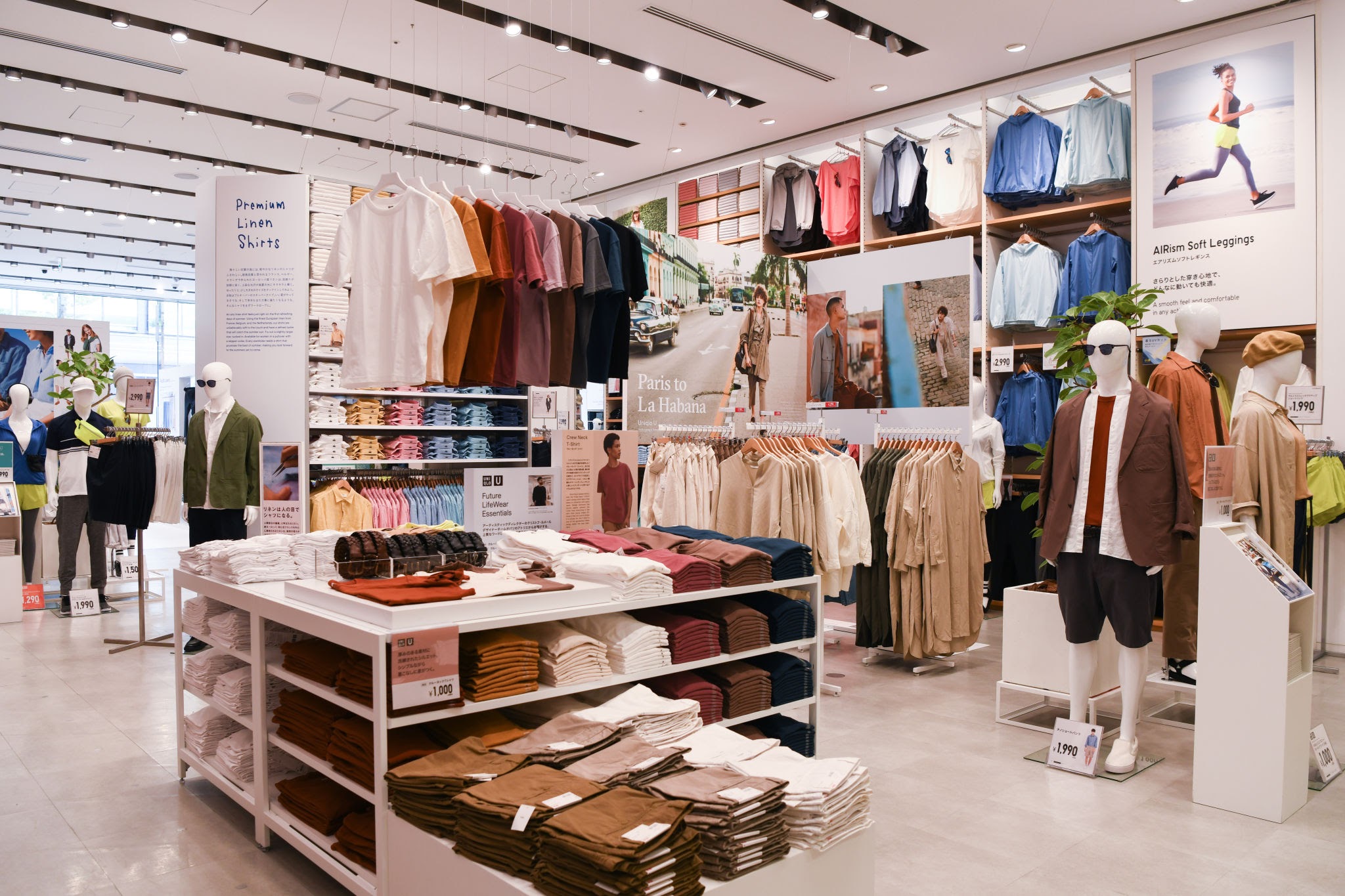
The Triumph of “Lifewear” Over Fast Trends
While most apparel giants race to copy the latest micro-trends from the runway, Japanese retailer Uniqlo has conquered the global market by doing the exact opposite. Their philosophy, known as “LifeWear,” focuses on producing high-quality, non-clothing-item-specific basics that serve as the foundational building blocks of a modern wardrobe.
Uniqlo’s massive global footprint relies on a remarkably distinct operational playbook:
- Fabric Technology as a Feature: Instead of marketing visual patterns, Uniqlo markets science. Innovations like HEATTECH (which converts body moisture into warmth) and AIRism (breathable, cooling innerwear) create genuine utility that keeps customers coming back every season.
- Hyper-Efficient Agility: By limiting their catalog to timeless, standardized silhouettes (like plain crewnecks, crisp chinos, and lightweight down jackets), they reduce manufacturing errors and optimize supply chain costs to offer premium fabrics at highly accessible price points.
- The Agnostic Aesthetic: Their clothes feature no loud, visible branding or logos. This blank-canvas approach allows an individual to seamlessly blend Uniqlo items into any personal style, making them universally appealing across diverse global demographics.
4. Zara: The Speed King of Responsive Fashion
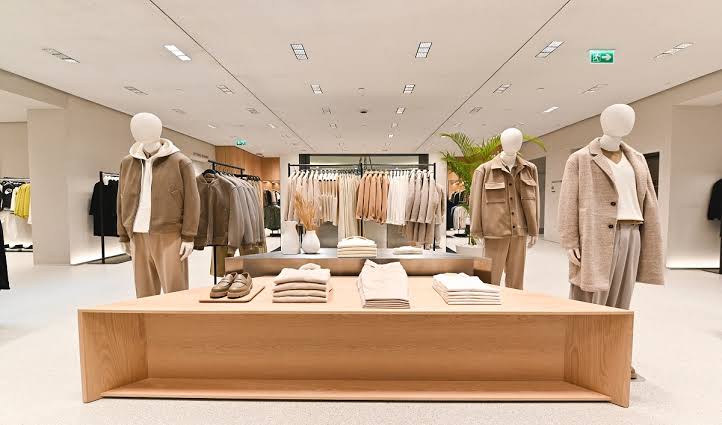
How Zara Rewrote the Fashion Supply Chain
Spanish giant Zara completely revolutionized the retail ecosystem by pioneering the concept of “fast fashion.” Unlike traditional design houses that plan collections up to nine months in advance, Zara can spot an emerging global trend and have a fully realized version of that garment hanging on store racks within a staggering fifteen days.
This unmatched operational speed is driven by three tightly integrated systems:
- Real-Time Data Integration: Store managers worldwide constantly feed customer feedback and daily sales data straight back to design headquarters in Spain. If a specific stitch, color, or cut isn’t selling by Tuesday, production is halted by Wednesday.
- Proximity Manufacturing: Rather than outsourcing all labor to distant hubs, Zara manufactures over half of its core products close to home in Europe and North Africa. This proximity allows them to ship new designs to global stores twice a week.
- The Scarcity Illusion: Zara produces garments in remarkably small batches. This intentional strategy creates a strong sense of urgency among shoppers; they know that if they do not purchase an item immediately, it will likely be replaced by an entirely new design next week.
5. Louis Vuitton: The Pinnacle of Heritage Luxury
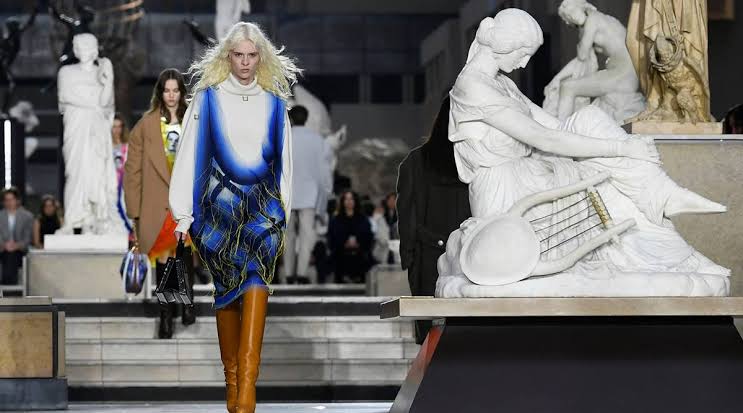
Securing the Throne of High-Fashion Authority
As the undisputed crown jewel of the luxury conglomerate LVMH, Louis Vuitton has maintained its position at the absolute peak of global status fashion for over a century. What began in 1854 as an artisanal Parisian trunk-making workshop has transformed into an empire that sets the standard for modern luxury apparel.
The brand’s enduring market dominance relies on three crucial prestige elements:
- The Monogram Status Symbol: The iconic interlocking “LV” canvas is one of the most widely recognized symbols of wealth and prestige in human history. It turns functional outerwear and apparel into an instant statement of socioeconomic success.
- Preserving Artisanal Heritage: Despite scaling into a multi-billion-dollar global enterprise, the brand heavily protects its reputation for uncompromising craftsmanship, leveraging historical European workshops to justify premium, high-ticket pricing.
- Streetwear Integration: By appointing visionary creative directors like Virgil Abloh and Pharrell Williams, Louis Vuitton masterfully merged traditional high-end luxury with global skate, hip-hop, and streetwear cultures, capturing a younger generation of luxury spenders.
6. Patagonia: The Champion of Radical Sustainability
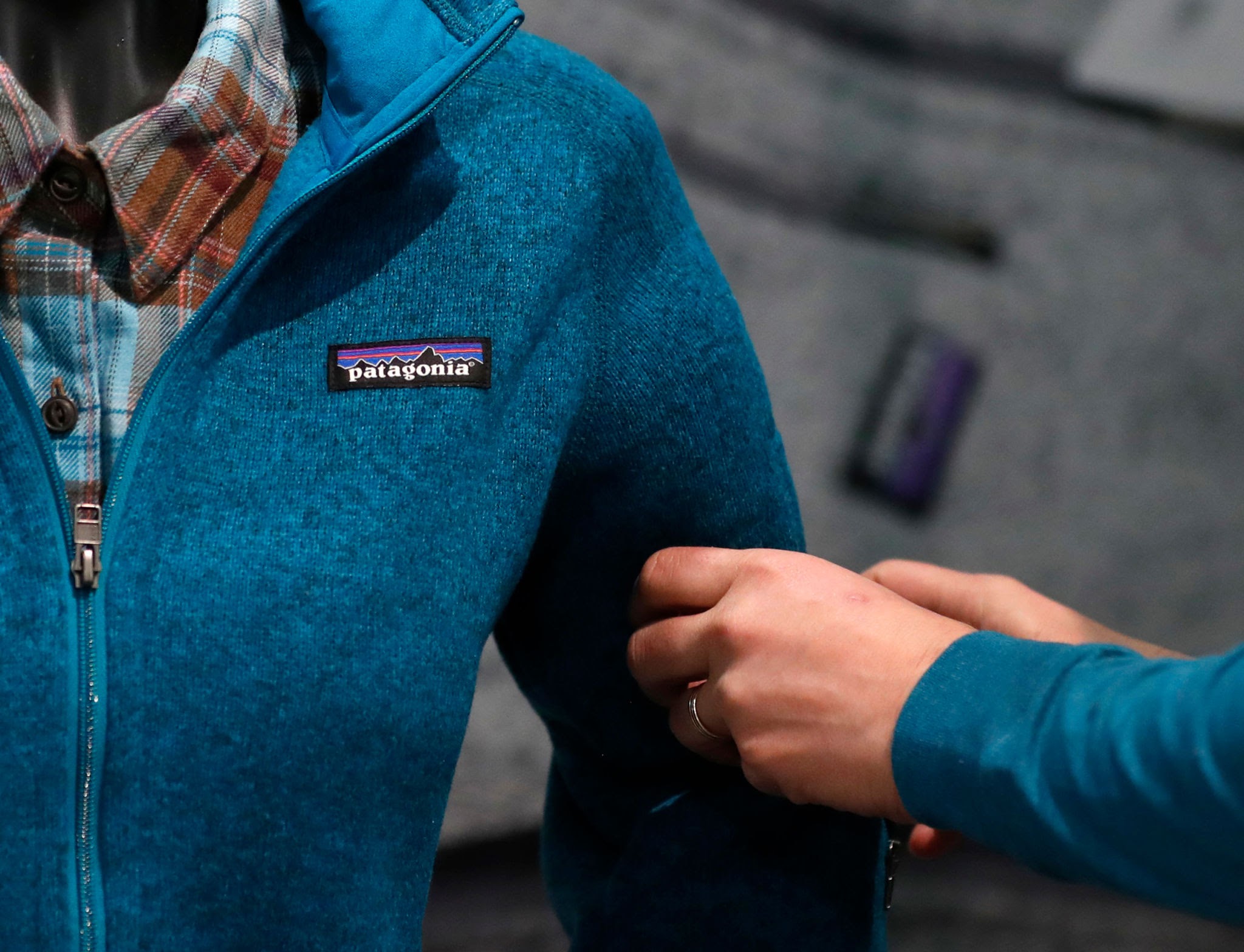
Engineering Loyalty Through Environmental Activism
While most clothing companies focus purely on aesthetics or rapid consumption cycles, Patagonia has achieved legendary global status by actively telling its customers to buy less. Founded by an avid rock climber, the brand treats outdoor gear not as temporary fashion, but as vital, life-saving equipment that should survive decades of harsh wilderness use.
Their highly unconventional yet massively profitable apparel strategy rests on three key pillars:
- Radical Product Transparency: Patagonia explicitly breaks down its entire supply chain for consumers, specifying the exact geographic sources of its organic cotton, traceable down, and recycled fishing net nylons.
- The Ironclad Lifetime Guarantee: Their “Worn Wear” program offers a permanent promise to repair or recycle any damaged garment. This entirely eliminates the consumer’s anxiety regarding product durability and long-term wear.
- Purpose-Driven Marketing Hooks: Campaigns like the famous “Don’t Buy This Jacket” full-page ad challenge consumerism directly. Ironically, by standing firmly against waste, they built an incredibly loyal cult following that gladly pays a premium for ethical manufacturing.
7. Gucci: The Master of Eccentric Avant-Garde Luxury
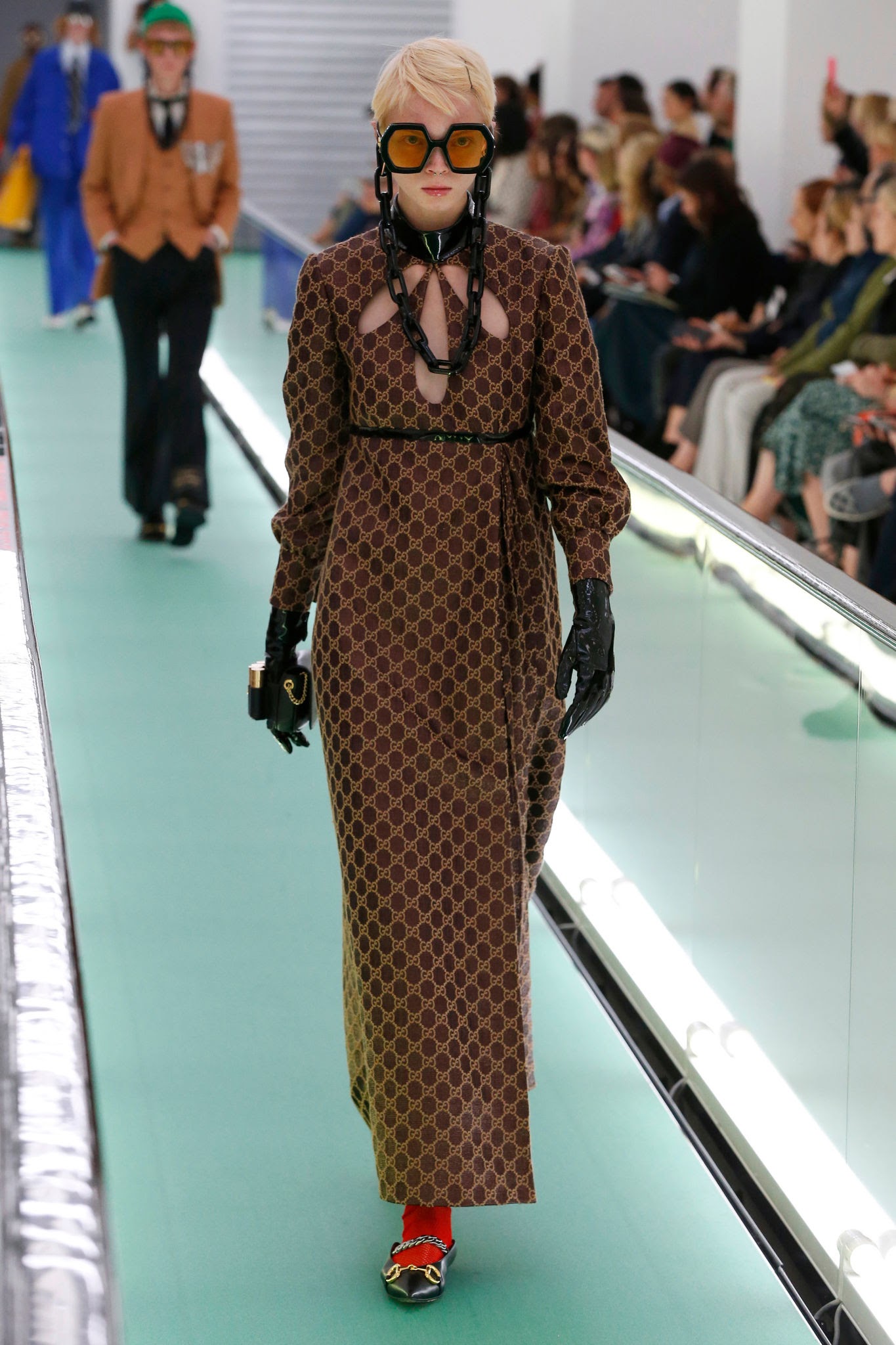
Dictating Global Culture Through Bold Visual Expression
Steeped in rich Italian heritage, Gucci stands as an absolute powerhouse of expressive, maximalist high fashion. While classic luxury brands often lean on quiet sophistication, Gucci constantly redefines the fashion landscape by leaning directly into vibrant colors, historical patterns, and highly dramatic runway storytelling.
The brand’s monumental influence over the modern luxury landscape is driven by three distinct pillars:
- Embracing Maximalist Design: Gucci rejects plain minimalism in favor of bold monogram patterns, intricate floral embroidery, and gender-fluid styling. This makes every garment instantly recognizable in real life and across social media.
- Gen-Z Digital Domination: By leaning heavily into surreal digital campaigns, virtual fashion spaces, and high-profile collaborations with streetwear brands, they successfully demystified high fashion for a brand new generation of luxury buyers.
- Cultivating Strategic Scarcity: Despite their massive global scale, their most coveted ready-to-wear pieces, graphic tees, and luxury accessories are carefully allocated, ensuring demand constantly outpaces marketplace supply.
8. Ralph Lauren: The Architecture of Aspirational Lifestyle
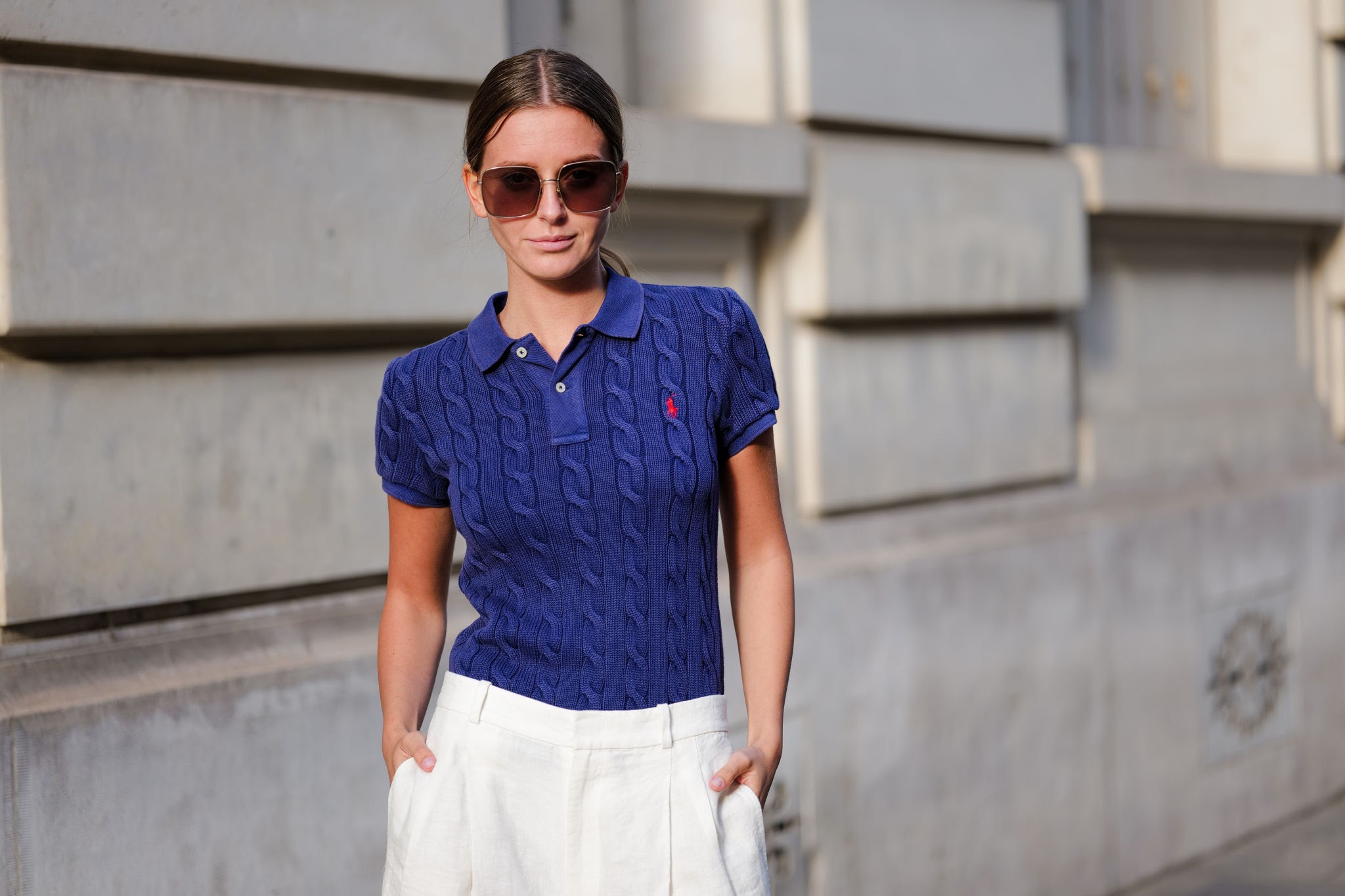
Selling an Iconic Elite Aesthetic Across Generations
Ralph Lauren did not just build an apparel brand; he defined a comprehensive blueprint for the aspirational American dream. By blending refined English haberdashery with rugged Americana, the label established a timeless “preppy” lifestyle aesthetic that looks as natural on a suburban street corner as it does at an elite countryside country club.
Their iconic, decades-long market dominance is built upon three core operational structures:
- Lifestyle-First Storytelling: Ralph Lauren’s marketing campaigns rarely focus on specific fabric technicalities. Instead, they sell a fully realized, cinematic dream of family heritage, classic sports car collections, and effortless, upscale weekend living.
- The Tiered Pricing Portfolio: The brand captures a vast demographic web by managing distinct product lines—ranging from affordable daily essentials via the Polo line to elite, hand-tailored luxury garments via the Purple Label.
- Timeless Silhouettes: By anchoring their entire empire around enduring wardrobe staples—like the iconic embroidered polo shirt and structured tweed blazers—they remain entirely insulated from shifting fast-fashion trends.
9. H&M: The Global Democratizer of High Fashion
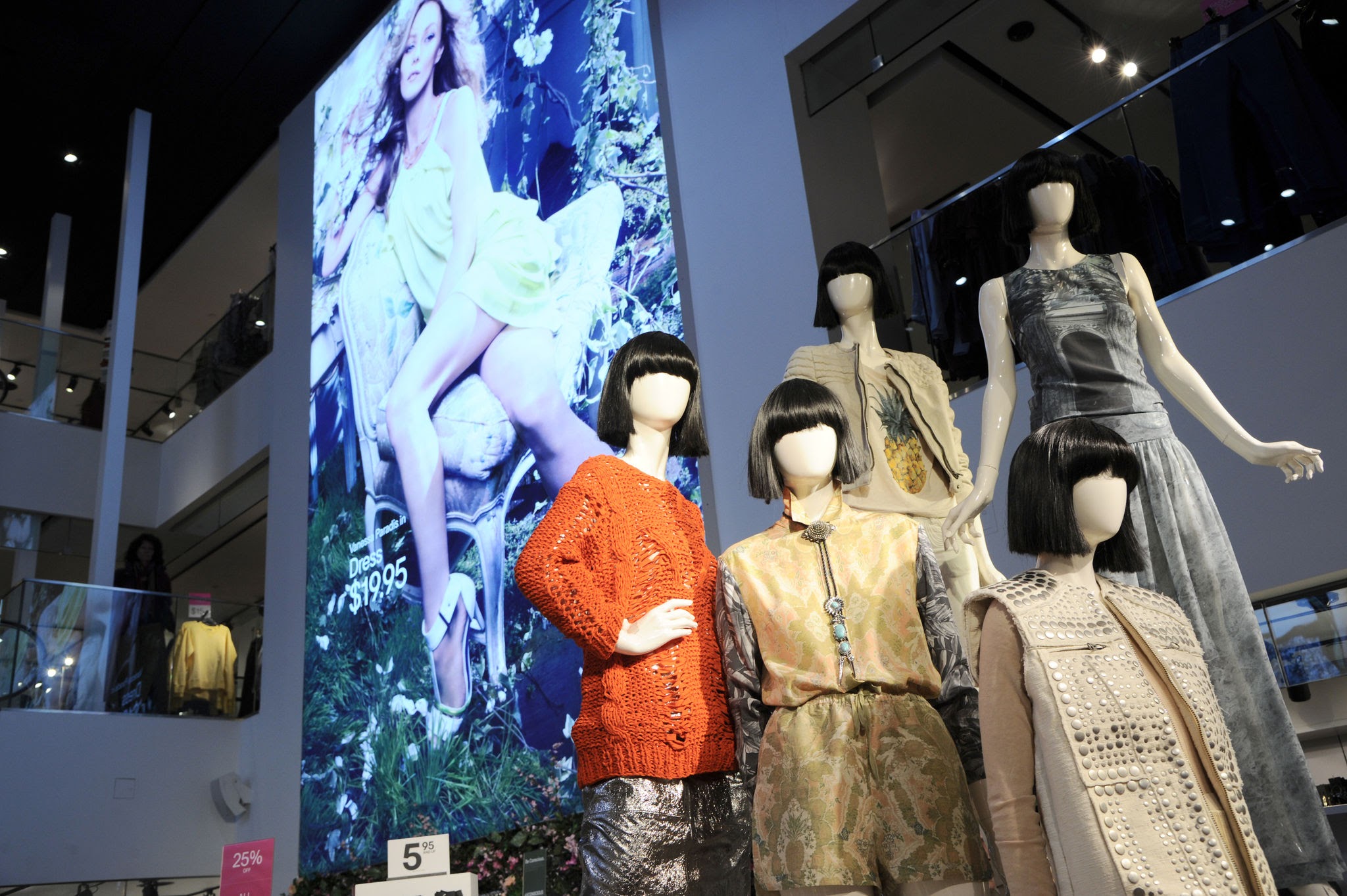
Balancing Global Volume with Trend Accessibility
H&M (Hennes & Mauritz) stands as a foundational titan of the high-street retail landscape. While luxury houses cater to an elite demographic, H&M’s core philosophy is built entirely around democratization—making runway-inspired aesthetics instantly accessible and highly affordable to millions of everyday consumers across the globe.
Their massive, multi-decade retail dominance relies heavily on three core operational pillars:
- The Designer Collaboration Blueprint: H&M pioneered the ultra-successful concept of high-low fashion partnerships. By launching limited-edition collections with legendary luxury houses like Balmain, Karl Lagerfeld, and Mugler, they allow everyday shoppers to own piece of a luxury designer’s aesthetic at standard retail prices.
- Hyper-Scale Wardrobe Diversity: Unlike niche brands, H&M scales across an incredibly wide catalog web. Their inventory features everything from basic premium cotton undergarments and office-ready tailoring to youth streetwear and activewear, making them a true one-stop-shop destination.
- The Pivot to Circular Materials: To address the environmental impacts of massive textile volume, H&M has heavily prioritized eco-conscious lines. Through their explicit garment collecting initiatives and increased reliance on recycled polyesters and organic cotton, they capture the shifting demographic of sustainability-minded young buyers.
10. Balenciaga: The Elite Disruptor of Luxury Fashion
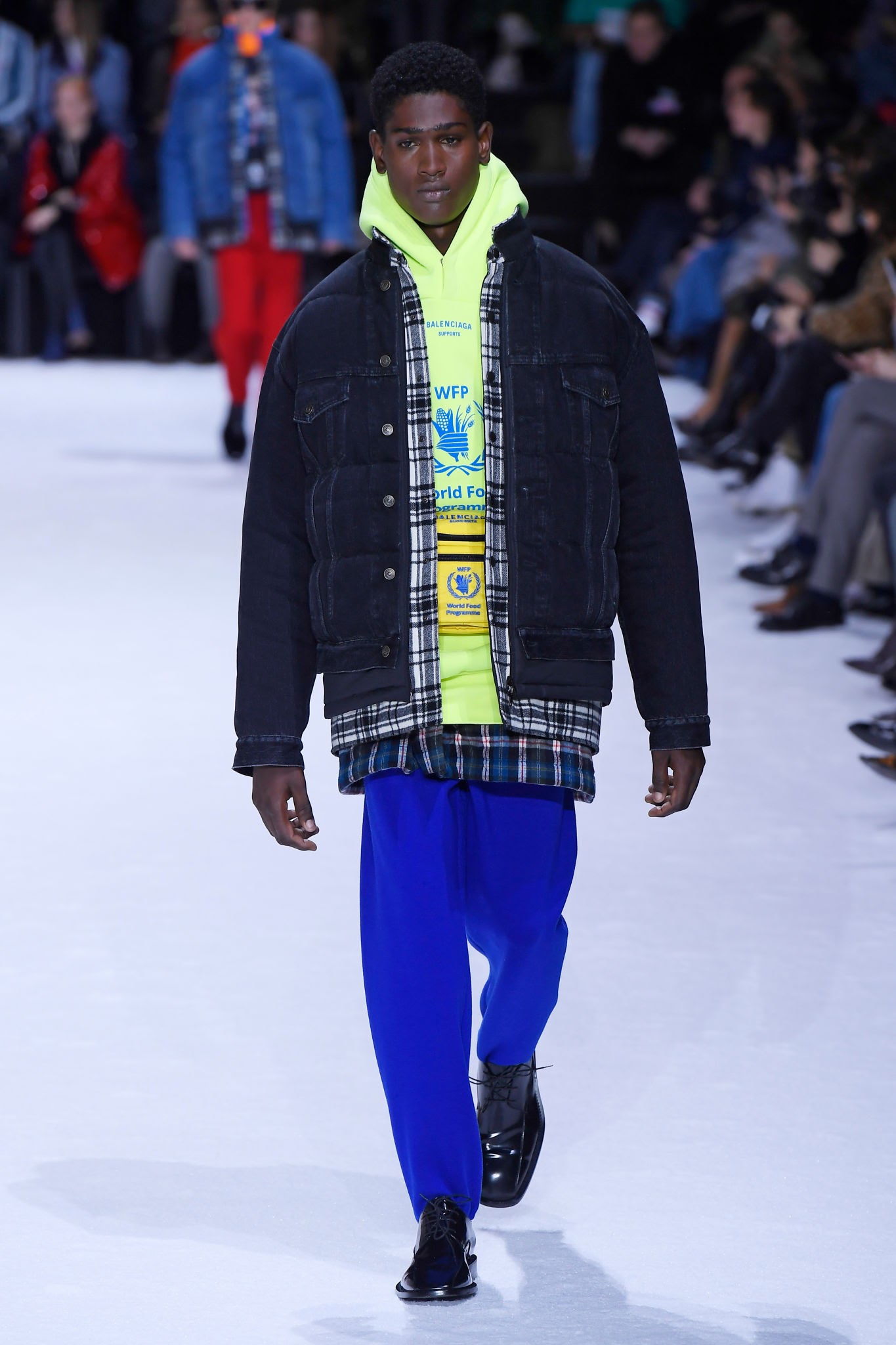
Weaponizing Subversion and Anti-Fashion Aesthetics
Balenciaga is the absolute enfant terrible of the modern luxury market. Founded as a historic, mid-century Parisian haute couture house famed for its sculptural elegance, the brand underwent a complete cultural transformation in the modern era, repositioning itself as a hyper-subversive label that actively questions traditional definitions of luxury.
Their highly controversial yet incredibly profitable market authority is driven by three distinct tactics:
- Pioneering the Oversized Silhouette: Balenciaga completely killed the era of ultra-skinny luxury tailoring. By introducing extreme, exaggerated proportions—such as massive boxy shoulders, sweeping floor-length coats, and pooling, extra-wide trousers—they redefined the visual language of high fashion.
- Elevating the Everyday and Mundane: The brand masterfully turns ordinary, blue-collar streetwear staples into high-luxury art pieces. Hoodies, standard denim, track jackets, and industrial gear are re-engineered with elite construction, forcing the fashion world to reconsider what is valuable.
- Memetic Marketing Domination: Balenciaga designs garments explicitly optimized to go viral on the internet. Their runway presentations are theatrical cultural critiques—featuring models walking through mud or snowstorms—ensuring the brand remains the most talked-about name across social media.

No responses yet